A marketing funnel is a conceptual model that represents the stages a potential customer goes through before making a purchase. It typically consists of awareness, consideration, conversion, loyalty, and advocacy stages.
Businesses use this framework to guide their marketing strategies, aiming to attract, engage, and retain customers effectively.
Examples of Businesses that Implement Marketing Funnels.
Here are a few examples of successful businesses that have effectively utilized marketing funnel techniques:
1. Amazon.
- Awareness Stage: Amazon utilizes various advertising channels and social media to create awareness about its vast product range and convenient shopping experience.
- Interest/Consideration Stage: The website features detailed product descriptions, reviews, and a recommendation engine that helps customers explore and consider different options.
- Desire/Evaluation Stage: Amazon leverages customer reviews, exclusive deals, and personalized recommendations to build desire and encourage evaluation.
- Action/Conversion Stage: The one-click purchase option, seamless checkout process, and various payment methods contribute to a high conversion rate.
- Retention/Loyalty Stage: Amazon Prime, a subscription-based loyalty program, ensures customer retention through benefits like free shipping, exclusive deals, and access to streaming services.
- Advocacy Stage: Amazon’s customer reviews and referral programs turn satisfied customers into advocates, contributing to word-of-mouth promotion.
2. Apple.
- Awareness Stage: Apple creates awareness through product launches, events, and engaging advertising campaigns across multiple channels.
- Interest/Consideration Stage: Detailed product pages, informative videos, and in-store experiences provide potential customers with in-depth information to aid their consideration.
- Desire/Evaluation Stage: Apple emphasizes product design, innovation, and quality, cultivating desire and positioning its products as premium offerings.
- Action/Conversion Stage: Apple’s retail stores, online store, and easy-to-use purchasing process contribute to high conversion rates.
- Retention/Loyalty Stage: The Apple ecosystem, including iCloud, Apple Music, and seamless device integration, fosters customer loyalty.
- Advocacy Stage: Apple benefits from a strong community of brand advocates who promote their products through user-generated content and recommendations.
3. HubSpot.
- Awareness Stage: HubSpot generates awareness through educational content, webinars, and inbound marketing strategies targeting businesses seeking marketing and sales solutions.
- Interest/Consideration Stage: In-depth blog posts, eBooks, and case studies provide valuable information for businesses considering HubSpot’s services.
- Desire/Evaluation Stage: HubSpot offers free tools and resources, allowing potential customers to experience their services before committing to paid plans.
- Action/Conversion Stage: HubSpot’s transparent pricing, free trials, and user-friendly interface contribute to high conversion rates.
- Retention/Loyalty Stage: Ongoing customer education, regular updates, and excellent customer support foster loyalty among HubSpot users.
- Advocacy Stage: HubSpot encourages advocacy through customer success stories, certifications, and referral programs.
These businesses showcase how a well-crafted marketing funnel can contribute to their overall success by guiding customers through various stages of their journey effectively.
Stages of Marketing Funnel with The Solution.
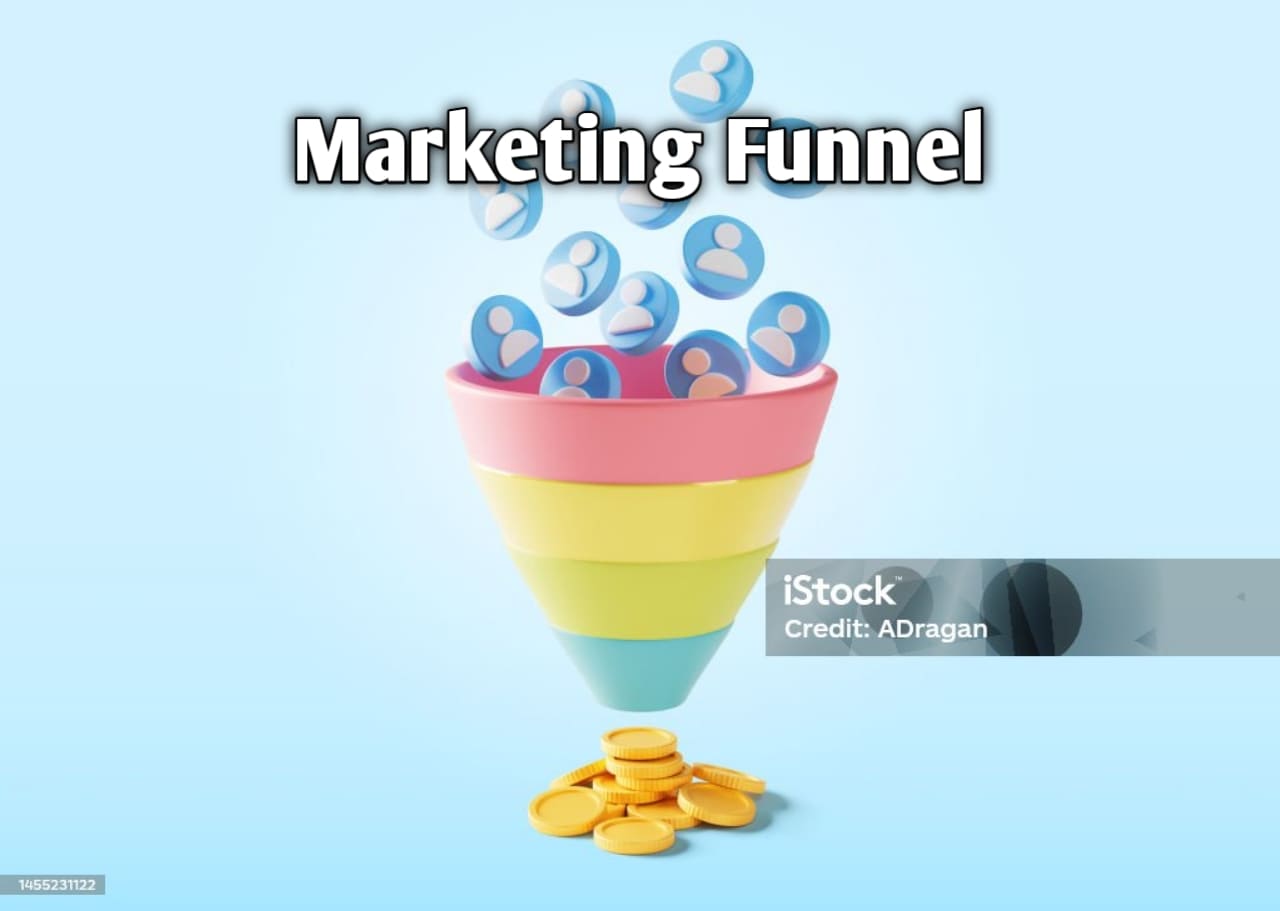
Marketing funnels typically consist of several key components or stages.
Here are the fundamental components found in a standard marketing funnel:
1. Awareness.
Potential customers become aware of your brand, product, or service through various channels like social media, advertising, content marketing, or word of mouth.
To enhance awareness in your marketing funnel, consider the following solutions:
- Social Media Presence: Leverage popular social media platforms to create engaging content, share updates, and connect with your target audience.
- Content Marketing: Develop high-quality content through blog posts, articles, videos, or infographics that provide value and address the needs of your audience.
- Influencer Marketing: Partner with influencers or industry experts to reach a broader audience and build credibility for your brand.
- Paid Advertising: Invest in targeted online advertising campaigns to increase visibility and reach potential customers who may not be aware of your brand.
- Search Engine Optimization (SEO): Optimize your website and content for search engines to improve organic visibility and attract users actively searching for relevant information.
- Partnerships and Collaborations: Collaborate with other businesses or organizations to cross-promote and expand your reach to new audiences.
- Public Relations (PR): Engage in PR activities to get featured in relevant media outlets, blogs, or news articles, enhancing your brand’s credibility.
- Events and Sponsorships: Participate in or sponsor events related to your industry to increase brand exposure and connect with your target audience in a more direct manner.
- Referral Programs: Encourage your existing customers to refer others by implementing referral programs with incentives.
- Email Marketing: Utilize email campaigns to share updates, promotions, and valuable content with your subscribers, keeping them informed about your products or services.
By combining these strategies, you can effectively boost awareness and ensure that your target audience recognizes your brand and what it has to offer.
2. Interest/Consideration.
Individuals show interest and actively consider your offerings. They may explore your website, read blog posts, compare products, or engage with your content.
To enhance interest and consideration in your marketing funnel, consider implementing the following solutions:
- Educational Content: Create content that educates your audience about your products or services. This could include how-to guides, product demonstrations, or informative blog posts.
- Interactive Content: Develop quizzes, polls, or interactive tools that engage your audience and encourage them to actively participate, fostering a deeper connection with your brand.
- Email Nurture Campaigns: Implement targeted email campaigns that provide additional information, address common concerns, and guide potential customers through the decision-making process.
- Customer Testimonials: Showcase positive experiences and testimonials from existing customers to build trust and credibility, alleviating doubts during the consideration stage.
- Personalization: Tailor your marketing messages based on customer preferences and behaviors, making the content more relevant and appealing to their specific needs.
- Free Trials or Demos: Offer free trials or product demonstrations to allow potential customers to experience your offerings firsthand, reducing barriers to entry.
- Webinars and Workshops: Host webinars or virtual workshops to provide in-depth information about your products or industry trends, positioning your brand as an authority.
- Comparison Guides: Develop content that compares your products or services with competitors, helping potential customers make informed decisions.
- Remarketing Campaigns: Use remarketing strategies to re-engage individuals who have shown interest but haven’t taken the next step. Remind them of your value proposition through targeted ads.
- Clear Call-to-Actions (CTAs): Ensure that your website and marketing materials have clear and compelling CTAs guiding visitors on the next steps, encouraging them to explore further.
By incorporating these solutions, you can create a more engaging and informative experience for potential customers, guiding them towards a favorable decision during the consideration stage of the marketing funnel.
3. Desire/Evaluation.
At this stage, potential customers develop a stronger interest and desire for your products or services. They might be comparing features, prices, and reviews to make informed decisions.
To enhance desire and evaluation in the marketing funnel, consider implementing the following solutions:
- Compelling Product Messaging: Craft persuasive and compelling messages that highlight the unique features, benefits, and value propositions of your products or services.
- Customer Reviews and Testimonials: Showcase positive reviews and testimonials from satisfied customers to build trust and credibility, influencing potential buyers during the evaluation process.
- Limited-Time Offers: Introduce exclusive promotions, discounts, or limited-time offers to create a sense of urgency and motivate potential customers to take action.
- Detailed Product Information: Provide thorough and detailed information about your products, including specifications, use cases, and customer success stories, to address potential concerns and questions.
- Interactive Product Demos: Offer interactive product demonstrations or virtual tours that allow potential customers to explore and understand the features of your offerings.
- Customer Case Studies: Share detailed case studies that highlight real-world examples of how your products or services have benefited customers, providing evidence of their effectiveness.
- Flexible Payment Options: Provide flexible payment plans or options to ease the financial considerations for potential customers, making your offerings more accessible.
- Live Chat Support: Offer real-time support through live chat to address any queries or concerns potential customers may have during the evaluation process.
- Comparison Tools: Develop tools or content that enables customers to compare your products or services with alternatives, helping them make informed decisions.
- Clear Return Policies: Clearly communicate transparent and customer-friendly return policies, instilling confidence in potential buyers and reducing the perceived risk of purchase.
By incorporating these solutions, you can create an environment that encourages potential customers to desire your products or services and actively evaluate them against alternatives in a positive light.
4. Action/Conversion.
This is the stage where the actual conversion occurs. Customers take the desired action, such as making a purchase, signing up for a trial, or filling out a form.
To optimize the action/conversion stage in your marketing funnel, consider implementing these solutions:
- Streamlined Checkout Process: Simplify and optimize the online checkout process to reduce friction and make it easy for customers to complete their purchase.
- Clear and Compelling Calls-to-Action (CTAs): Ensure that your website and marketing materials have clear, visually appealing CTAs guiding visitors to take the desired action, such as making a purchase or filling out a form.
- Limited-Time Promotions: Implement time-sensitive promotions or exclusive offers to create a sense of urgency, motivating potential customers to convert quickly.
- Trust Badges and Security Assurance: Display trust badges, security certifications, and payment assurances to build trust and alleviate concerns related to online transactions.
- Abandoned Cart Emails: Set up automated email campaigns to remind users who abandoned their shopping carts, encouraging them to complete the purchase.
- One-Click Checkout Options: Provide one-click checkout options, minimizing the steps required for customers to finalize their purchase and reducing potential drop-offs.
- Mobile Optimization: Ensure that your website is mobile-friendly, as a growing number of users make purchases through mobile devices. A seamless mobile experience can improve conversion rates.
- Personalized Recommendations: Implement recommendation engines that suggest complementary products based on customer preferences, increasing the likelihood of additional purchases.
- Transparent Pricing: Clearly communicate pricing details, including any additional costs, to avoid surprises and build trust with potential customers.
- Customer Reviews and Ratings: Display positive customer reviews and ratings prominently during the checkout process to reinforce the value and quality of your products.
By focusing on these solutions, you can create a more optimized and user-friendly environment that encourages potential customers to take the desired action, ultimately leading to higher conversion rates.
5. Retention/Loyalty.
After the initial purchase, the focus shifts to retaining customers. Building loyalty involves providing excellent customer service, offering exclusive deals, and encouraging repeat business.
To enhance retention and build customer loyalty in your marketing funnel, consider implementing the following strategies:
- Customer Loyalty Programs: Introduce loyalty programs that reward customers for repeat purchases, encouraging them to continue choosing your brand.
- Exclusive Offers for Repeat Customers: Provide exclusive discounts, early access to new products, or special promotions as a reward for customer loyalty.
- Personalized Communication: Use customer data to personalize your communication, tailoring emails and messages to individual preferences and purchase history.
- Responsive Customer Service: Offer prompt and helpful customer service through various channels, addressing concerns and inquiries effectively.
- Post-Purchase Surveys: Gather feedback from customers through post-purchase surveys to understand their experience and identify areas for improvement.
- Regular Updates and Newsletters: Keep customers informed about your brand, new products, and relevant updates through regular newsletters or email updates.
- Social Media Engagement: Foster a sense of community on social media platforms, encouraging customers to share their experiences and engage with your brand.
- Anniversary or Milestone Rewards: Recognize and reward customers on their anniversaries or when they reach certain milestones with your brand.
- Replenishment Reminders: For consumable products, send reminders or automatic reorder options to make it easy for customers to replenish their supplies.
- Surprise and Delight Campaigns: Occasionally surprise loyal customers with unexpected gifts, exclusive content, or personalized offers to show appreciation.
By focusing on these strategies, you can foster long-term relationships with your customers, leading to increased retention and loyalty. Happy and engaged customers are more likely to continue choosing your brand and become advocates for your products or services.
6. Advocacy.
Satisfied customers become advocates who promote your brand. This can include leaving positive reviews, referring others, or sharing their experiences on social media.
To encourage customer advocacy and word-of-mouth promotion in your marketing funnel, consider implementing the following strategies:
- Referral Programs: Establish a referral program that rewards existing customers for referring friends or contacts who make a purchase, creating a win-win scenario.
- User-Generated Content (UGC): Encourage customers to create and share content related to your products or services, such as reviews, testimonials, or photos, showcasing their positive experiences.
- Social Media Challenges or Contests: Organize challenges or contests on social media platforms, encouraging customers to participate and share their experiences, effectively promoting your brand.
- Exclusive Access for Advocates: Provide advocates with exclusive access to new products, features, or events, making them feel valued and more likely to promote your brand.
- Shareable Content: Create shareable content that resonates with your audience, making it easy for customers to share your brand with their networks.
- Highlight Customer Success Stories: Showcase customer success stories through case studies or featured interviews, demonstrating the positive impact of your products or services.
- Engage with Customer Reviews: Respond to customer reviews, both positive and negative, showing that you value customer feedback and are actively engaged in addressing their concerns.
- Community Building: Foster a sense of community among your customers, providing a platform for them to connect, share tips, and support each other.
- Influencer Collaborations: Collaborate with influencers or advocates who align with your brand values, leveraging their reach to promote your products or services.
- Thank-You Rewards: Express gratitude to advocates with special thank-you rewards, discounts, or personalized messages, reinforcing their positive feelings towards your brand.
By incorporating these strategies, you can turn satisfied customers into vocal advocates, amplifying your brand reach and building a positive reputation within your target audience.
These stages represent a customer’s journey from initial awareness to becoming a loyal advocate. It’s important to note that the specific components and terminology might vary slightly depending on the model or business context.
The key is to understand and address the unique needs of your audience at each stage of the funnel.
Let’s create a comprehensive content example using Lummatun, a fictional clothing business, applying marketing funnel techniques:
1. Awareness Stage.
Blog Post – “Discovering Your Style with Lummatun”
“Are you looking to redefine your fashion sense?
Lummatun, the epitome of style and comfort, welcomes you on a journey to discover your unique fashion identity. In this blog post, we explore the latest trends, timeless classics, and how Lummatun can be your go-to destination for an unparalleled clothing experience.
Dive into the world of Lummatun and let your style journey begin!”
2. Interest/Consideration Stage.
Video – “Behind the Seams: Crafting Lummatun’s Quality”
“Curious about the craftsmanship behind Lummatun?
Join us in this exclusive behind-the-scenes video as we unveil the meticulous process of creating our high-quality clothing. From fabric selection to stitching details, discover why Lummatun is synonymous with unparalleled comfort and lasting style.
Your wardrobe upgrade awaits!”
3. Desire/Evaluation Stage.
Product Showcase – “Elevate Your Wardrobe with Lummatun Essentials”
“Explore Lummatun’s curated collection of wardrobe essentials designed to elevate your style.
From versatile basics to statement pieces, each item is crafted with precision and style in mind.
Dive into our lookbook, envision how Lummatun can seamlessly integrate into your wardrobe, and discover the desire for quality that sets us apart.”
4. Action/Conversion Stage.
Limited-Time Offer – “Exclusive Flash Sale: Elevate Your Style Today!”
“Ready to make Lummatun a staple in your closet?
Take advantage of our exclusive flash sale! For a limited time, enjoy irresistible discounts on your favorite pieces. Don’t miss out—seize the opportunity to upgrade your wardrobe with Lummatun’s premium clothing.
Click ‘Shop Now’ and let the transformation begin!”
5. Retention/Loyalty Stage.
Email Newsletter – “Welcome to Lummatun’s Inner Circle”
“Congratulations on becoming a part of Lummatun’s inner circle!
As a valued customer, you’re in for a treat. Expect personalized recommendations, early access to new collections, and members-only perks. Stay tuned for exciting updates that will make your Lummatun experience even more special.
Thank you for choosing us as your style companion!”
6. Advocacy Stage.
Social Media Campaign – “Share Your Lummatun Moments: #LummatunStyle”
“We love seeing Lummatun become a part of your everyday style!
Share your Lummatun moments with us using #LummatunStyle, and stand a chance to be featured on our page. As a token of our appreciation, each featured post will receive an exclusive Lummatun gift.
Join the community of Lummatun advocates and let’s spread the joy of impeccable style together!”
This example illustrates how Lummatun can strategically create content at each stage of the marketing funnel, guiding potential customers from awareness to advocacy effectively.